
Back to: The Data Aspect of AI

The Importance of Data Collection in AI
The foundation of any AI system is data, and the first step in working with data is its collection. The quality and diversity of data directly influence the accuracy, reliability, and fairness of AI models. AI cannot function effectively without well-sourced, relevant, and high-quality data. The process of data collection is not simply about gathering as much data as possible; it requires careful selection of data sources, ethical considerations, and strategies for ensuring completeness and accuracy.
Data collection is an evolving field, with increasing focus on automation, real-time processing, and enhanced security. As AI applications become more complex, the need for sophisticated and scalable data collection methods grows. Companies and researchers must balance the need for massive datasets with ethical concerns regarding data privacy, user consent, and bias mitigation. High-quality data serves as the foundation for AI-driven decision-making, and without proper collection mechanisms, AI systems can produce misleading or even harmful results.
Methods of Data Collection
There are several methods by which AI systems collect data. These methods vary based on the application, type of AI system, and domain in which the AI operates. Some of the most commonly used data collection techniques include:
- Manual Data Entry and Crowdsourcing: Some datasets are created through human effort, including manually inputting values into structured databases or using platforms like Amazon Mechanical Turk to annotate data. This method is useful when human expertise is required to ensure accuracy and contextual understanding. Crowdsourcing allows for rapid data annotation and the inclusion of human judgment in dataset creation, which is essential for tasks like natural language processing, sentiment analysis, and object detection.
- Sensors and IoT Devices: AI-driven systems in healthcare, agriculture, and industrial applications often rely on sensors to collect real-time data. Internet of Things (IoT) devices continuously stream data, which AI models use for predictive maintenance, anomaly detection, and automation. Sensor data collection is crucial for autonomous systems, where real-time decision-making depends on continuous environmental feedback. AI applications in self-driving cars, smart cities, and robotics rely on high-frequency sensor data to enhance efficiency and safety.
- Web Scraping and APIs: Many AI applications collect data from the internet using web scraping techniques or by accessing structured data via APIs. While web scraping is a powerful tool, it must be used ethically and in compliance with data privacy laws. Companies often use APIs from social media platforms, government databases, and commercial data providers to obtain structured datasets for AI training. Web scraping is commonly used in market research, competitive analysis, and content aggregation.
- Transactional and Business Data: Many AI-driven business applications rely on historical transactional data. Sales figures, customer interactions, and financial transactions are frequently used in AI models for predictive analytics, recommendation systems, and fraud detection. Businesses generate massive amounts of data daily, and AI systems analyze these datasets to improve customer experiences, optimize supply chains, and enhance financial forecasting.
- Surveys and User Inputs: In cases where AI requires user-specific preferences or feedback, organizations collect data through surveys, polls, or direct user interactions. This method ensures personalization and user engagement in AI-driven systems. Personalized AI recommendations, such as those in e-commerce and entertainment platforms, heavily depend on explicit user feedback and behavior tracking.
Challenges in Data Collection
While data collection is essential, it presents several challenges that AI practitioners must navigate:
- Data Bias and Representation Issues: If the data collected is not diverse enough or does not represent all possible scenarios, AI models may develop biased outcomes. Ensuring data diversity is crucial to building fair and ethical AI. Many AI failures stem from biased training data, leading to issues in hiring systems, credit scoring, and law enforcement applications.
- Data Privacy and Compliance: AI developers must comply with regulations such as GDPR, HIPAA, and CCPA when collecting and storing personal data. Organizations must ensure that user consent is obtained, and sensitive data is anonymized or protected through encryption. Strict legal frameworks are being developed worldwide to govern the ethical collection and usage of personal data, with severe penalties for non-compliance.
- Data Quality and Completeness: Raw data often contains missing values, duplicates, and inconsistencies. AI models trained on low-quality data may yield incorrect or unreliable predictions, emphasizing the need for data validation and preprocessing techniques. Poor data quality can also lead to inefficiencies, requiring significant computational power for correction and filtering.
- Scalability of Data Collection: As AI models grow in complexity, they require larger datasets. Efficient methods for collecting, storing, and managing vast amounts of data are necessary to support large-scale AI applications. Cloud-based storage solutions and distributed computing frameworks are commonly used to handle the increasing demands of large-scale AI training datasets.
Ethical Considerations in Data Collection
Ethical data collection is a cornerstone of responsible AI development. Organizations must ensure that data is collected transparently, with full disclosure to users about how their information will be used. AI practitioners should prioritize fairness, avoiding discrimination in data collection methods. Additionally, anonymization techniques should be implemented to protect personally identifiable information (PII) and prevent misuse of collected data.
Informed consent is another fundamental aspect of ethical data collection. Users should have the ability to opt out of data collection and understand how their information is being used. Companies collecting user data must provide clear and accessible privacy policies to maintain trust and compliance with legal requirements.
Advances in Data Collection Techniques
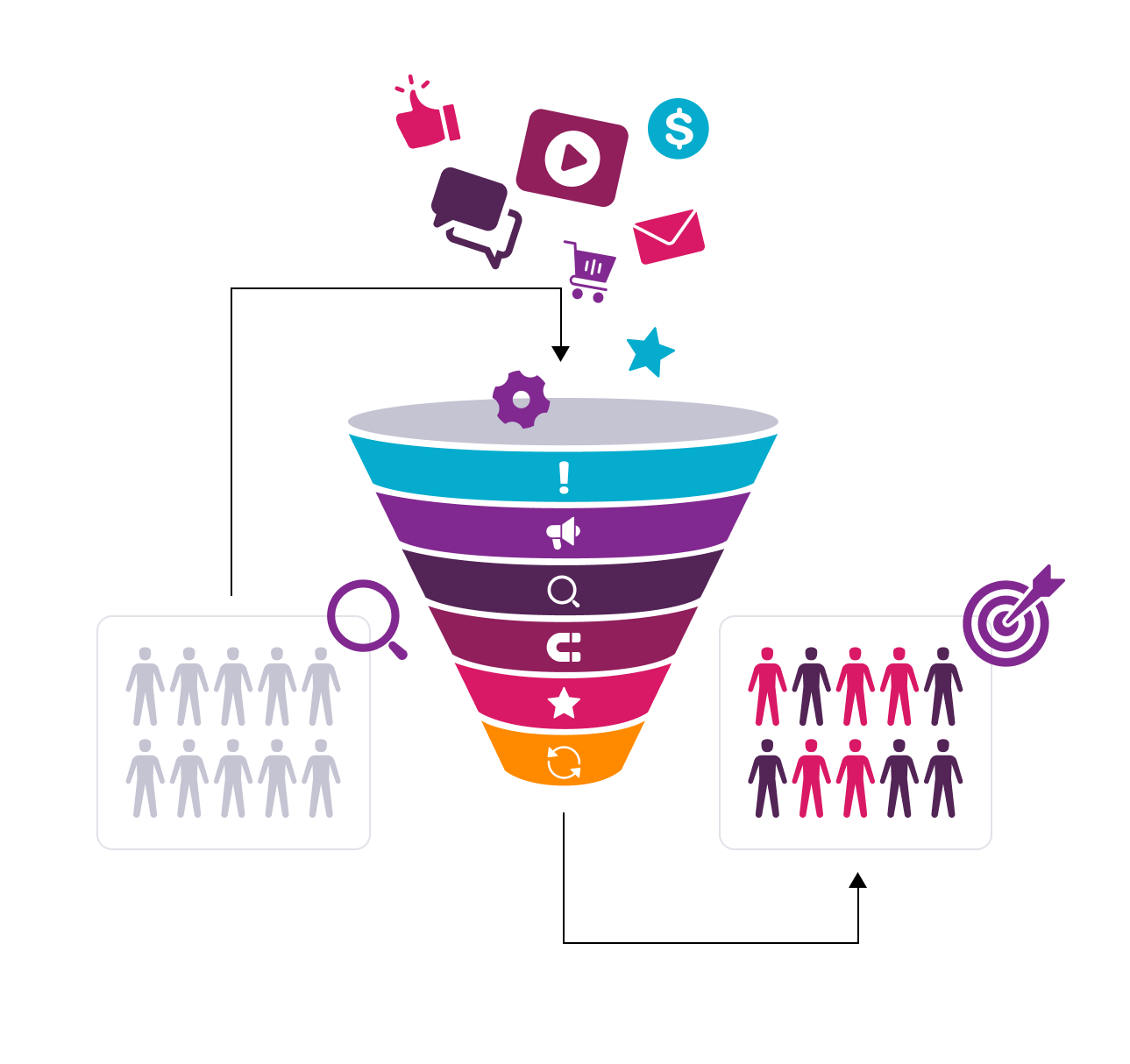
New advancements in AI are shaping the way data is collected, processed, and analyzed. Some notable innovations include:
- Automated Data Labeling: AI-assisted labeling tools reduce the reliance on human annotators, improving the efficiency of data preparation for supervised learning models.
- Federated Learning: This decentralized approach allows AI models to learn from multiple data sources without transferring raw data, enhancing privacy and security.
- Synthetic Data Generation: AI can now create synthetic datasets that mimic real-world data, reducing the need for large-scale data collection while mitigating privacy concerns.
These advancements improve AI scalability while addressing major challenges such as data privacy, quality control, and ethical concerns.
Data collection and sourcing are fundamental to AI development. The methods used to collect data, the challenges faced in ensuring data quality, and the ethical considerations surrounding data privacy all play a role in shaping the effectiveness of AI systems. Companies and researchers must continuously refine their data collection strategies to adapt to emerging trends, regulations, and technical advancements.
As AI continues to advance, responsible data collection practices will remain essential in building reliable, unbiased, and ethically sound AI applications. In the next lesson, we will explore the techniques used to store and manage AI datasets efficiently, ensuring that data remains accessible and well-structured for machine learning processes.
Copyright 2025 MAIS Solutions, LLC All Rights Reserved